One of the greatest gifts of a Montessori education is the freedom to truly focus on the whole child—cognitive, social, emotional, and physical. Our approach goes beyond academic milestones to cultivate essential life skills, emotional intelligence, and authentic social relationships.
At The Montessori Academy at St. John’s, our approach to child development is rooted in the understanding that children are naturally curious, deeply empathetic, and intrinsically motivated. When provided with an environment designed to meet their developmental needs, children naturally deepen both their love for learning and their care for the surrounding community.
Prioritizing the Prepared Environment
A cornerstone of balancing social-emotional learning with cognitive and physical growth is the prepared environment.
In a Montessori context, a prepared environment is a space intentionally designed to align with a child’s sensitive periods for learning, as well as their fundamental human needs. When designing these spaces, our guides ensure children feel secure, capable, and valued so they can reach their full potential.
Our classrooms are structured to support emotional regulation and social development through:
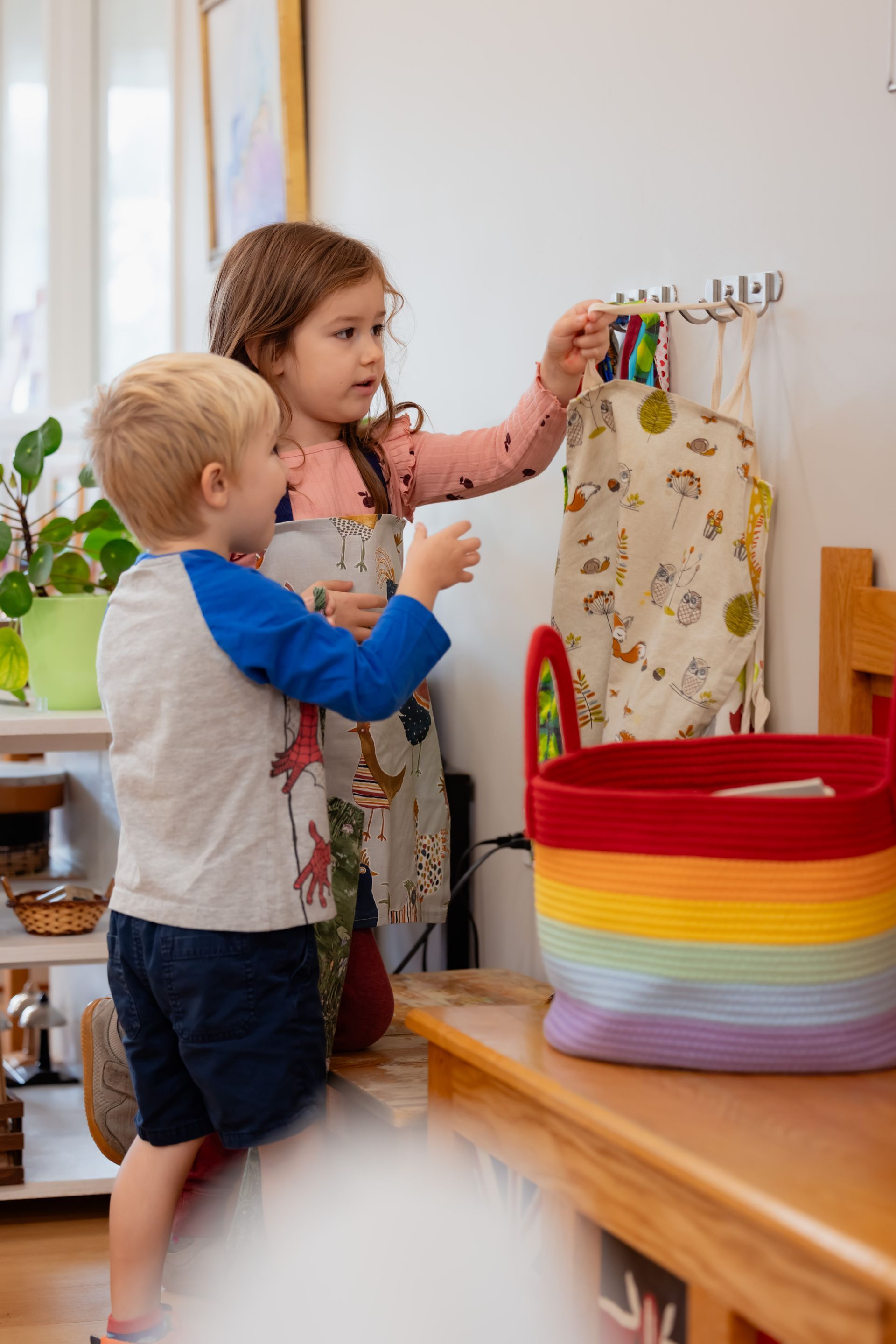
- Calm and Order: Low shelves, natural light, and clearly organized materials allow children to navigate the space independently and feel a sense of internal peace.
- Autonomous Decision-Making: Freedom of choice within clear boundaries helps children build self-awareness, personal accountability, and intrinsic motivation.
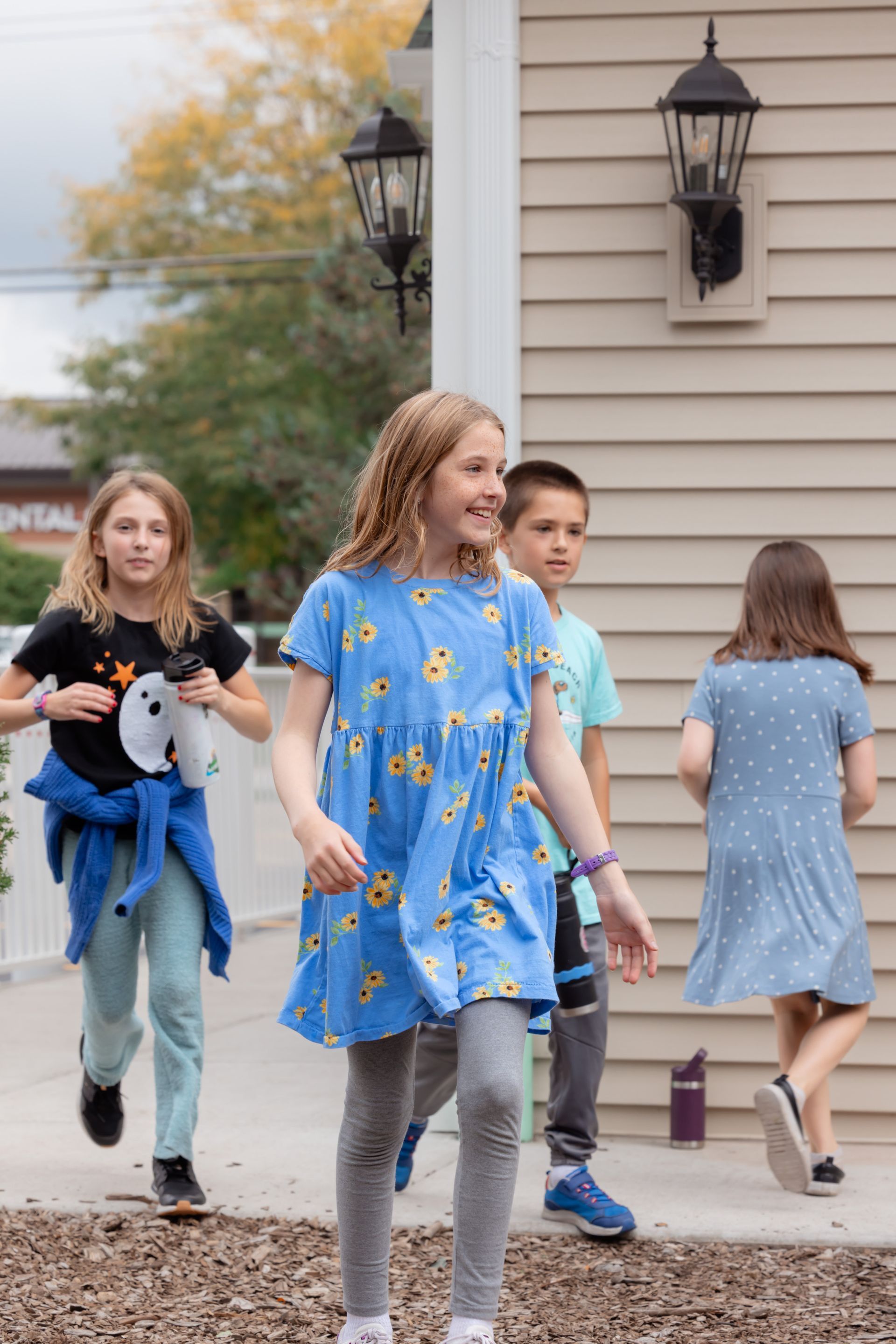
- Mixed-Age Groupings: Multi-year age spans create a natural mini-society where children learn to collaborate, share resources, and navigate diverse social interactions daily.
Empathetic Guidance and Peaceful Conflict Resolution
Conflict is a natural part of human interaction, and in our classrooms, social friction is viewed not as a disruption, but as a meaningful learning opportunity.
We actively model and support children as they learn to identify their feelings, put their experiences into words, and listen attentively to others. Rather than stepping in as judges or arbitrators who dictate solutions, our guides serve as neutral mediators.
Through gentle, guided discussions, we help children:
- Identify and name their emotions accurately.
- Practice respectful, direct communication with peers.
- Reflect on the impact of their actions on others.
- Brainstorm mutually agreeable, peaceful solutions.
Ultimately, our goal is to equip children with problem-solving tools and self-regulation strategies they can use independently—both inside and outside the classroom.
Cultivating Respect, Empathy, and Community
Through daily practical life activities, shared care of the environment, and collaborative work, children develop a deep sense of compassion and patience for alternative perspectives.
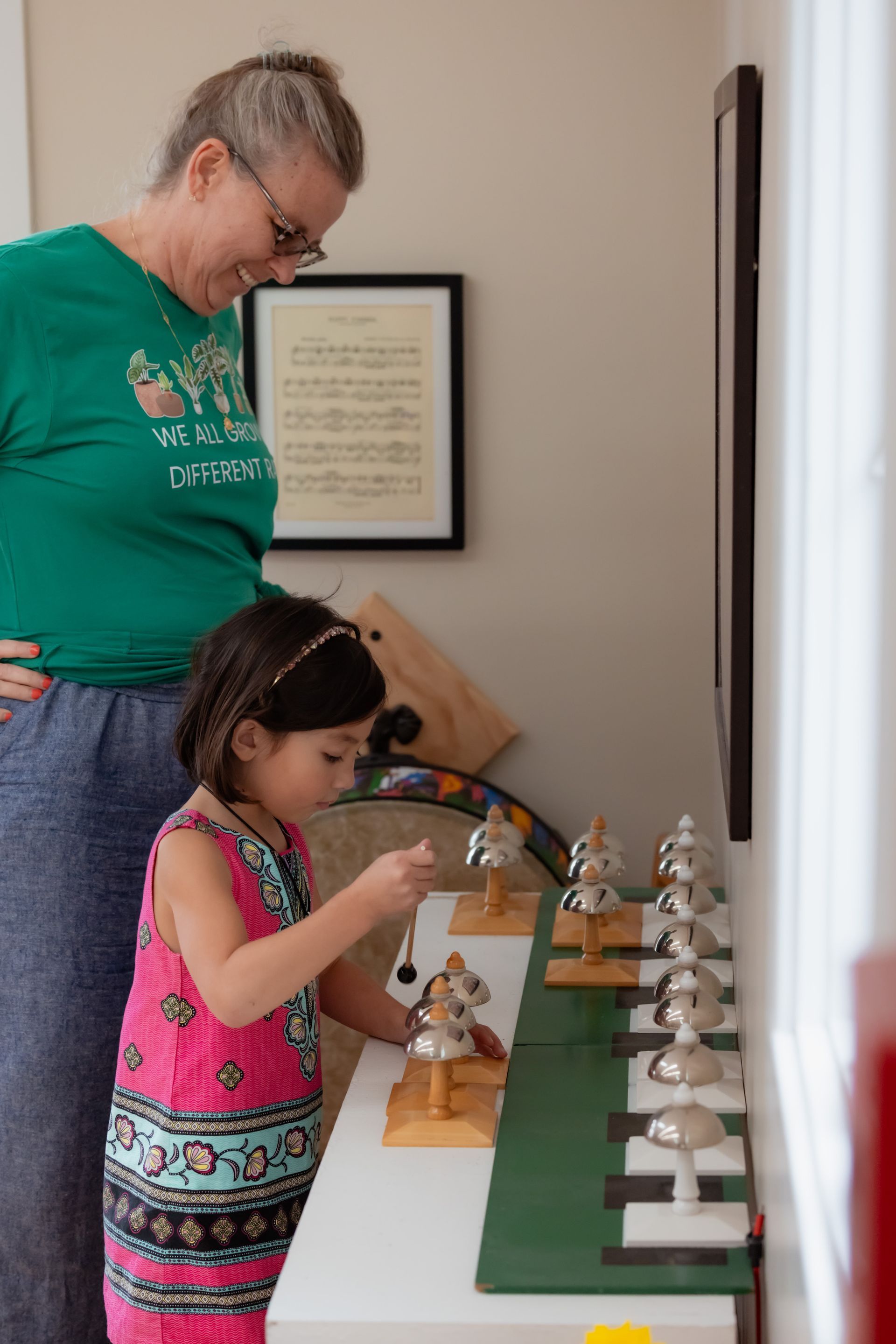
Our mixed-age classroom structure inherently promotes mentorship and mutual respect. Older children naturally serve as role models of emotional regulation, grace, and problem-solving for their younger peers, while younger children feel supported by a community of capable leaders.
Children thrive when they experience a true sense of belonging. By fostering an inclusive environment that honors individual differences, we build a foundation of trust.
The long-term result of this focus on social-emotional learning is that children leave St. John’s with essential life skills: deep empathy, effective communication across differences, and the ability to cooperate with grace and goodwill.
Experience Our Community in Action
Would you like to learn more about how social-emotional learning is integrated into our daily work cycles? We invite you to
observe our prepared environments in action.