
When We're the Ones Who Lost It: A Guide for Adults
April 13, 2026

We often think about how to handle our children's outbursts: when they talk back, get aggressive, or are hurtful. But we don't often give ourselves enough space to process what to do when we, as adults, are the ones to snap.


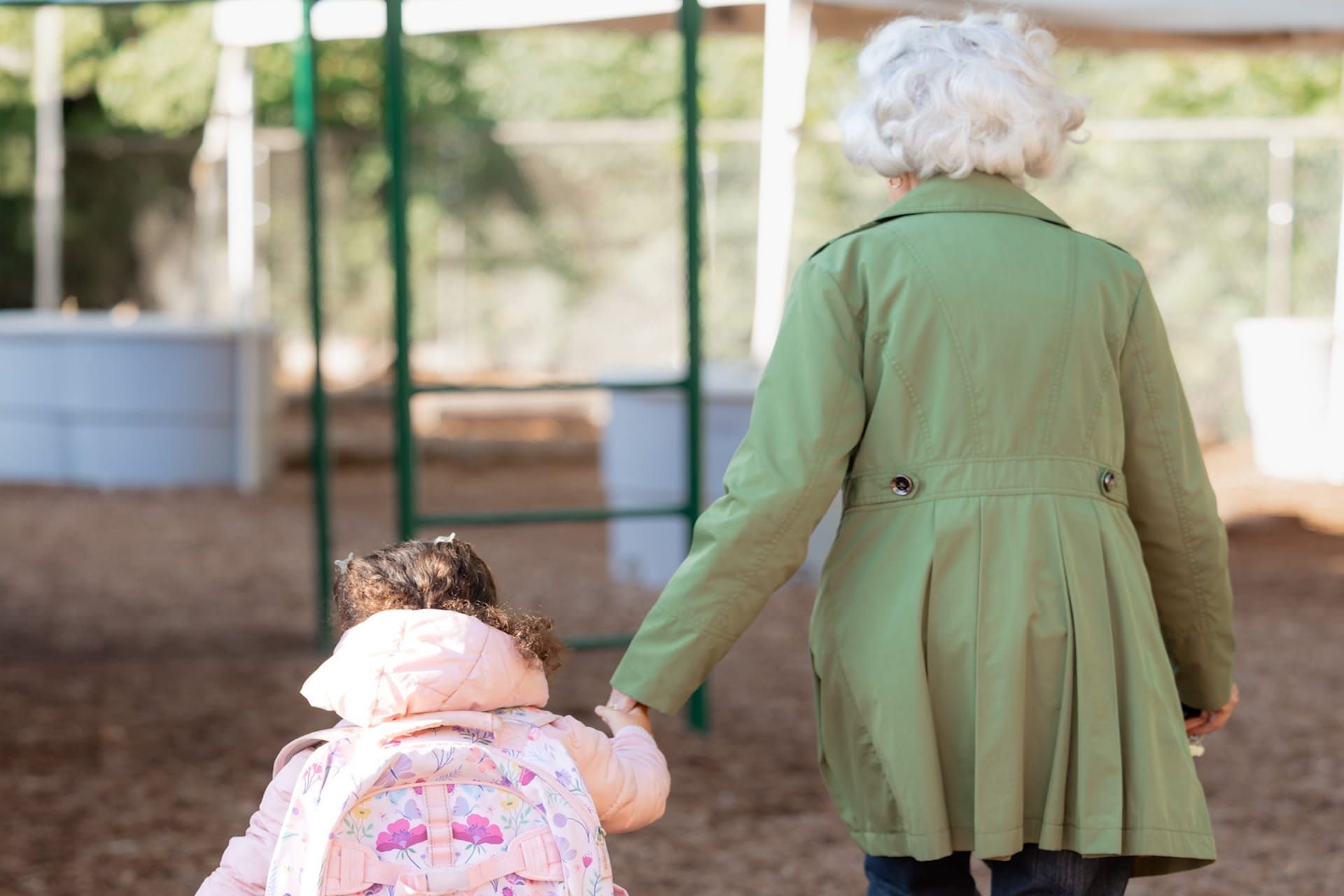
And we've all had those parenting moments: when we lose our cool, yell, or feel an intense level of frustration. The worst part is when these moments happen right before we drop our child off at school, so we start our day feeling rotten, with no way to make amends.


Sometimes these moments come from (or lead to) a pendulum swing in our parenting approach. Perhaps we've tried to be loving and model gentle parenting principles, but in the process, set weak boundaries or let our child dictate the terms. Then we feel like we need to make up for being too lenient by swinging to the opposite extreme, perhaps shouting, threatening, or imposing harsh consequences. The result? Our children are confused by the inconsistency, and we feel guilty, which sends us swinging back to permissiveness again.


So what do we do?


Be gentle on yourself first. 


Even when an outburst feels immense, our worst parenting moments do not define us or our relationship with our children. Parent Coach Nicole Schwarz offers this: "That was a moment in time. Learn what you can from the experience, make changes as needed, and move forward. Don't let one mistake overshadow the positive moments and parenting wins, even if they seem small."


Model making amends. 


When we lose our patience, the path forward can be an intentional opportunity to show our children what accountability looks like. Jane Nelson's "Three R's of Recovery" from Positive Discipline offers a simple framework. First, recognize: once you've cooled off, acknowledge your mistake without weaving in blame — something like, "I feel really bad about how I spoke to you. You didn't deserve that." Then, reconcile: offer a genuine, heartfelt apology. And finally, resolve: work together to find a solution, inviting your child into the conversation as a true collaborator. When we model this kind of accountability, our children learn that mistakes are opportunities for growth and connection. 


Think about lagging skills. 


Dr. Ross Greene, clinical psychologist and author of Raising Human Beings, offers another perspective. He reminds us that children behave in challenging ways because they lack the skills needed, and given the choice, every child would rather do well. This reframe can help us shift from reacting to the behavior to getting curious about what's underneath it. 


Get curious instead of reactive. 


One way to get curious is to stay calm in challenging moments, simply observe without judgment, and ask (with genuine curiosity and empathy), "What's going on?" Then comes the harder part: actually listening. This is when we tend to want to jump in with advice or steer toward a solution, but it’s much more powerful to genuinely hear what our children have to say. This Empathy Step, as Dr. Greene calls it, is often where the real shift happens because a child who feels truly heard is far more open to collaborating on a solution that works for everyone. Our job isn't always to fix things. Sometimes it's simply to slow down, listen, and trust that our children, when given the space and support, are more capable problem-solvers than we give them credit for.


Consider what unmet needs might be at play. 


Psychiatrist Rudolf Dreikurs believed that all behavior has a purpose, and that beneath most challenging moments is an unmet need trying to make itself known. He identified four common "mistaken goals" behind challenging behavior: a bid for attention, a need for power, a hurt looking for acknowledgment, or a quiet kind of giving up. Each carries a coded message worth decoding. A Positive Discipline Mistaken Goal Chart can help, offering a framework to match our emotional reactions to what our children might really need.


Reflect on our own patterns. 


Once we've extended some grace to ourselves and reconnected with our children, it's worth taking time to reflect on the bigger picture. Researchers have identified four general parenting approaches: the authoritative parent, who balances warmth with clear, consistent boundaries; the authoritarian parent, who leads with strict rules and expects obedience without much explanation; the permissive parent, who is deeply loving but struggles to hold limits; and the uninvolved parent, who is largely disconnected from their child's emotional and practical needs. 


Most of us won't see ourselves perfectly in just one category. And most of us will recognize, with some honesty, that stress, exhaustion, or our own upbringing can pull us toward patterns we don't always feel proud of. The goal is awareness. When we can pause and notice the style we're operating from in a given moment, we have the opportunity to choose something more intentional, and that keeps connection and respect at the center, even on the hard days.


Parenting is a tough job! We are here for support and would be delighted to have you schedule a visit here in Miami Beach.
Child writing with a pencil at a table in a bright classroom
July 13, 2026
Discover how the absorbent mind shapes early childhood at The Montessori Academy at St. John’s. Learn how our prepared environments nurture your child's potential.
July 6, 2026
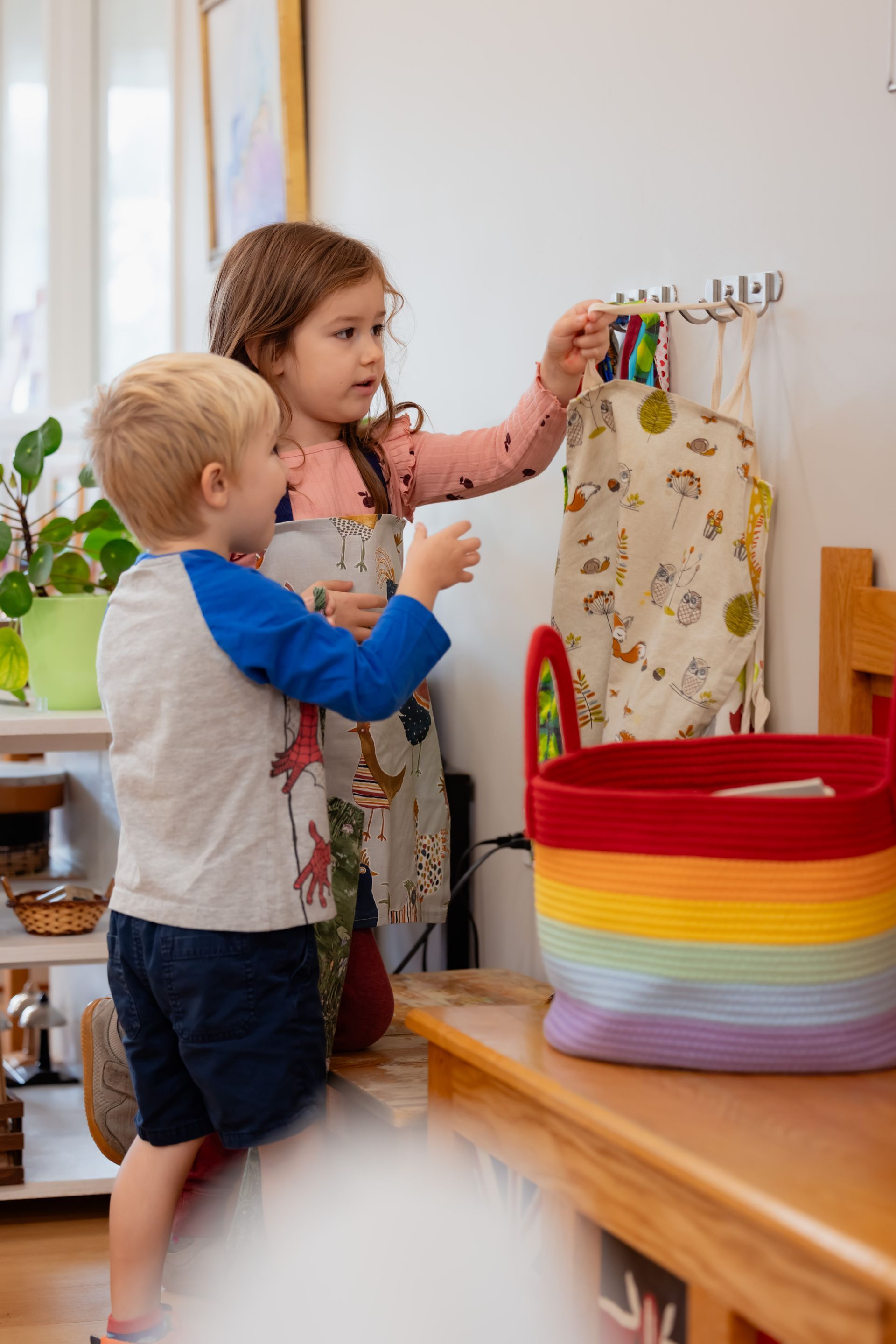
As parents, we quickly learn that young children hold ultimate control over three main areas of daily life: eating, sleeping, and toileting. When we lean into power struggles over these routines, it can feel exhausting for everyone involved. Instead, the Montessori approach invites us to step back and help children develop the intrinsic skills and body awareness they need to achieve true mastery over these essential functions. In our infant and toddler communities at The Montessori Academy at St. John’s, children naturally learn to prepare snack, rest when their bodies are tired, and dress themselves. Alongside these milestones, they are also developing the neurological and physical control needed to stay dry. We intentionally refer to this journey as "toilet learning" or "toilet awareness," rather than "toilet training." After all, we aren’t training our children through external conditioning. Rather, we are walking alongside them as they discover the joy of physical independence and become masters of their own bodies. While this process takes time, it does not have to feel daunting. Here is how we approach toilet learning at MASJ, and how you can mirror these practices at home. 1. Establish Body Awareness from the Beginning Toilet awareness does not start at two or three years old—it begins at birth. From the earliest days of life, we can speak respectfully to our infants about their bodies during diaper changes. Saying, "Your diaper is wet from your urine," or "I am wiping your bottom," helps them connect words to their physical sensations. To support this awareness, we highly recommend using cloth diapers or moving into cotton underwear as they enter toddlerhood. Modern disposable diapers are remarkably effective at wicking away moisture. While convenient, they often prevent a child from feeling the actual sensation of being wet, which delays the brain-to-body feedback loop. Phrases to try: "Does your diaper feel wet or dry right now?" "Your underpants feel heavy. You had a lot of pee come out." "I see you are squatting down and concentrating. Your body is working on a poop." 2. Form a True Collaboration When a child is wet or soiled, we view the diaper change or bathroom visit as an opportunity for connection, not an interruption to the day. We invite the child to actively collaborate in the process. Even young toddlers can assist by pulling down their own pants, grabbing a clean pair of underwear, or placing their soiled clothes into the laundry basket. This active participation satisfies their developmental need for functional assignment and autonomy, reducing the urge to resist. Phrases to try: "You can hold your shirt up while I help you pull down your pants." "You open this side of the diaper tabs, and I’ll open this side." "I will take a turn to wipe, and then it will be your turn." 3. State the Facts Safely and Plainly In our MASJ classrooms, our Guides stay entirely matter-of-fact throughout the toileting routine. Elimination is a completely natural bodily function, and we treat it with calm neutrality. If a child experiences an accident and wets the floor, we avoid expressions of disappointment. Similarly, when they successfully use the toilet, we avoid excessive clapping or rewards. Over-celebrating can accidentally introduce performance anxiety or make the child dependent on external praise. Instead, we acknowledge the direct reality. Phrases to try: "Pee and poop go into the toilet." "Your underpants are wet. Let’s change into dry ones. Do you remember where your clean clothes are kept?" "I see pee on the floor. Please bring me the clean-up cloth from the bathroom so we can dry the puddle together." 4. Keep the Attitude Light and Friendly Children are incredibly sensitive to adult emotions and can easily internalize our underlying stress or impatience. Maintaining a light, relaxed, and encouraging attitude ensures that children feel safe and comfortable with their normal bodily processes. We want to entirely eliminate any sense of shame, frustration, or disgust around toilet learning. Phrases to try: "We can always change into dry clothes, it's no big deal!" "Everyone used to wear diapers when they were small—even Mommy and Daddy. Now we use the toilet, and you will learn to use it too." 5. Step Away from Tricks or Treats At MASJ, we offer the toilet based on the consistent rhythms of our daily routine, but we never force a child to sit. We also tend to avoid asking open-ended questions like, "Do you want to use the toilet?" as a toddler's natural default answer is often a resounding "No!" Instead, find the comfortable middle ground by clearly stating that it is time to visit the bathroom as part of a transition (e.g., before going outside, or right after waking up). We intentionally avoid sticker charts, treats, or bribes. While these tactics can produce short-term compliance, they interfere with the long-term goal of developing genuine self-assurance and internal motivation. Trust the process and trust your child's natural drive toward mastery. Phrases to try: "It is time to walk to the bathroom and try sitting on the toilet." "You listened to your body and peed in the toilet. You did it all by yourself." Respecting the Journey When caregiving routines are rushed, children miss the opportunity to understand their own physical identity. Taking the time to slow down, communicate clearly, and invite collaboration shows the utmost respect for your child's developing personality.  By guiding your toddler through toilet learning with patience and consistency, you are helping them take a monumental step toward becoming a confident, fully independent young person. If you are currently navigating this milestone at home, remember that our AMI-trained Guides are always here to support your family. Feel free to reach out to discuss how we can beautifully bridge the routines of our school environments with your home.