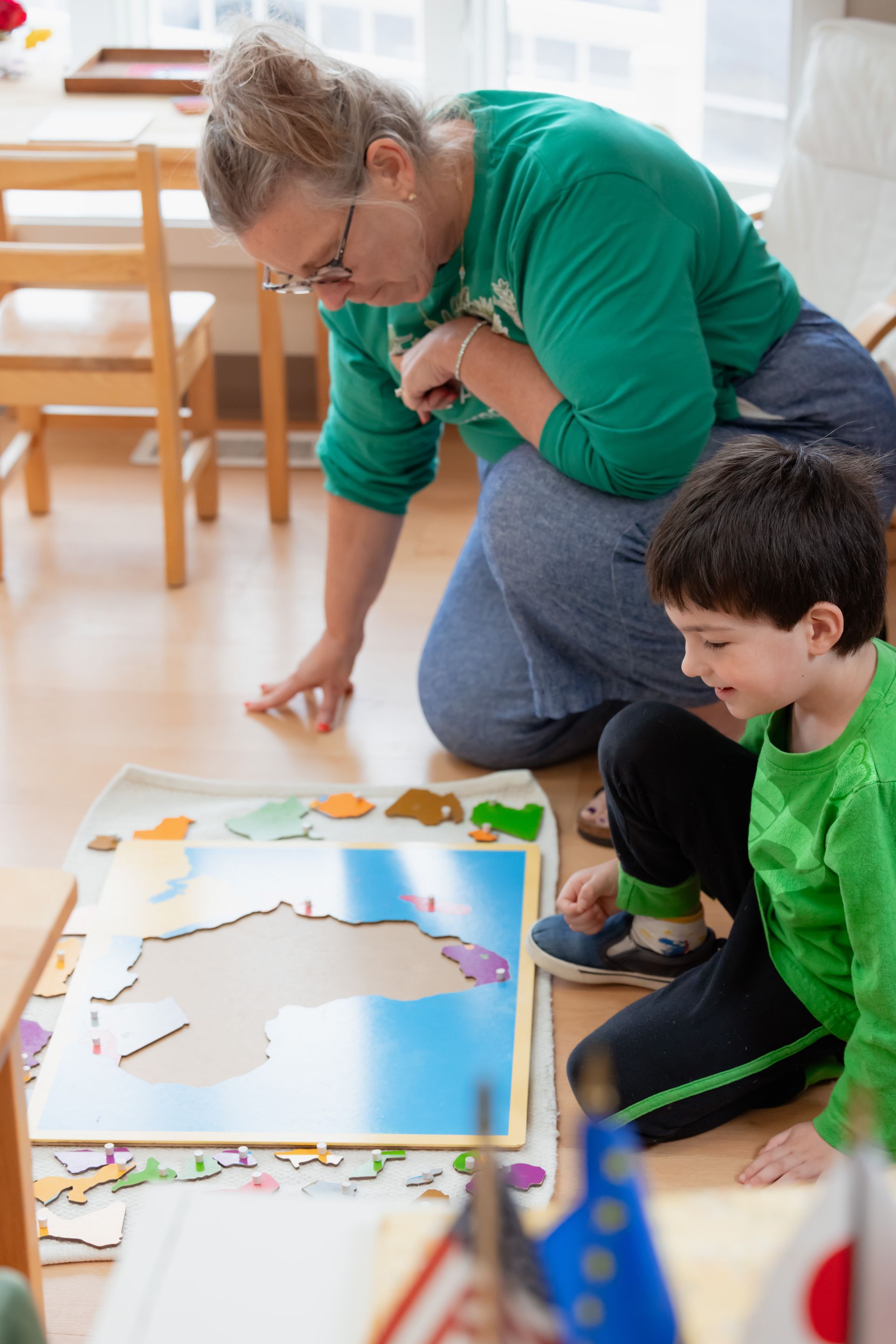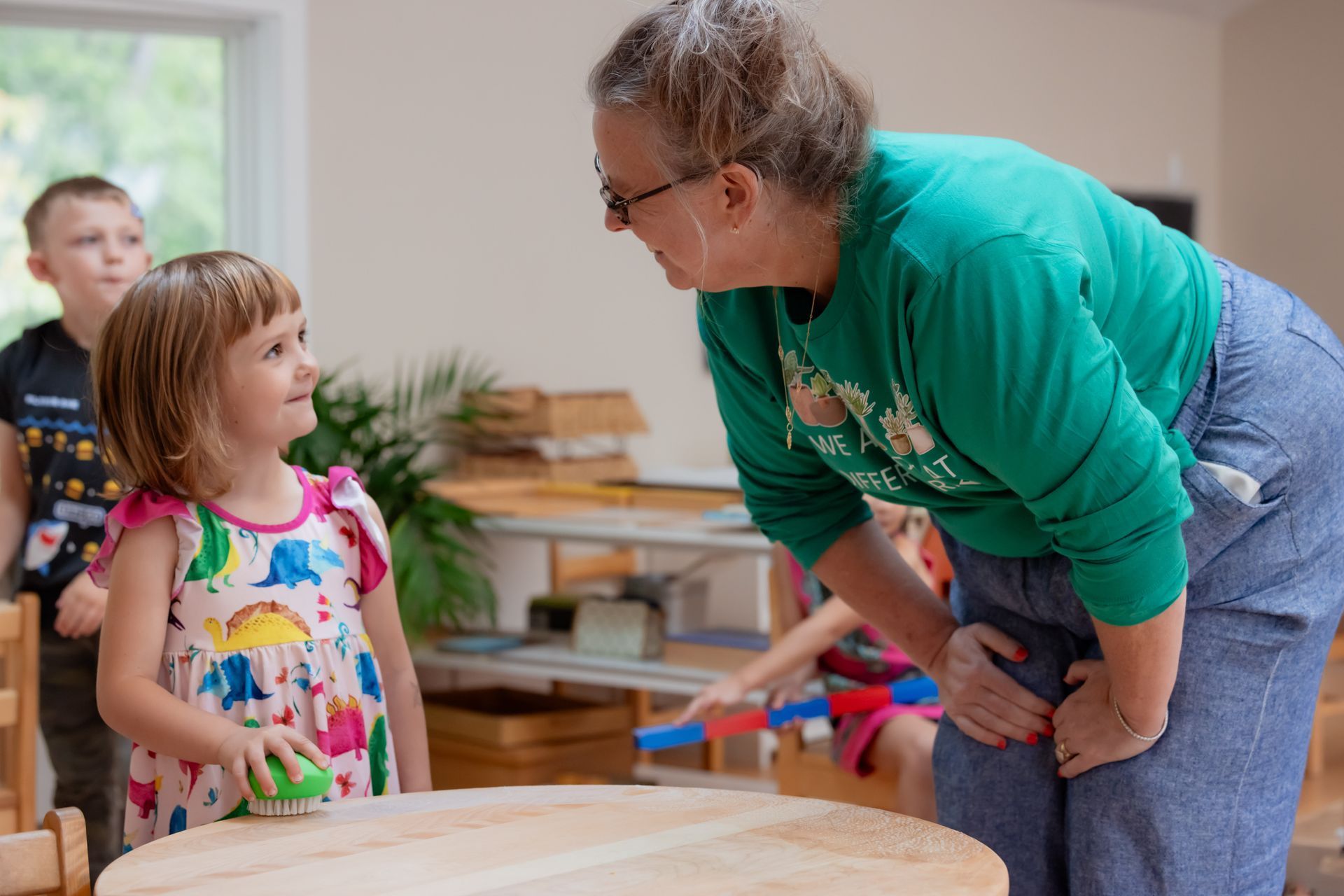
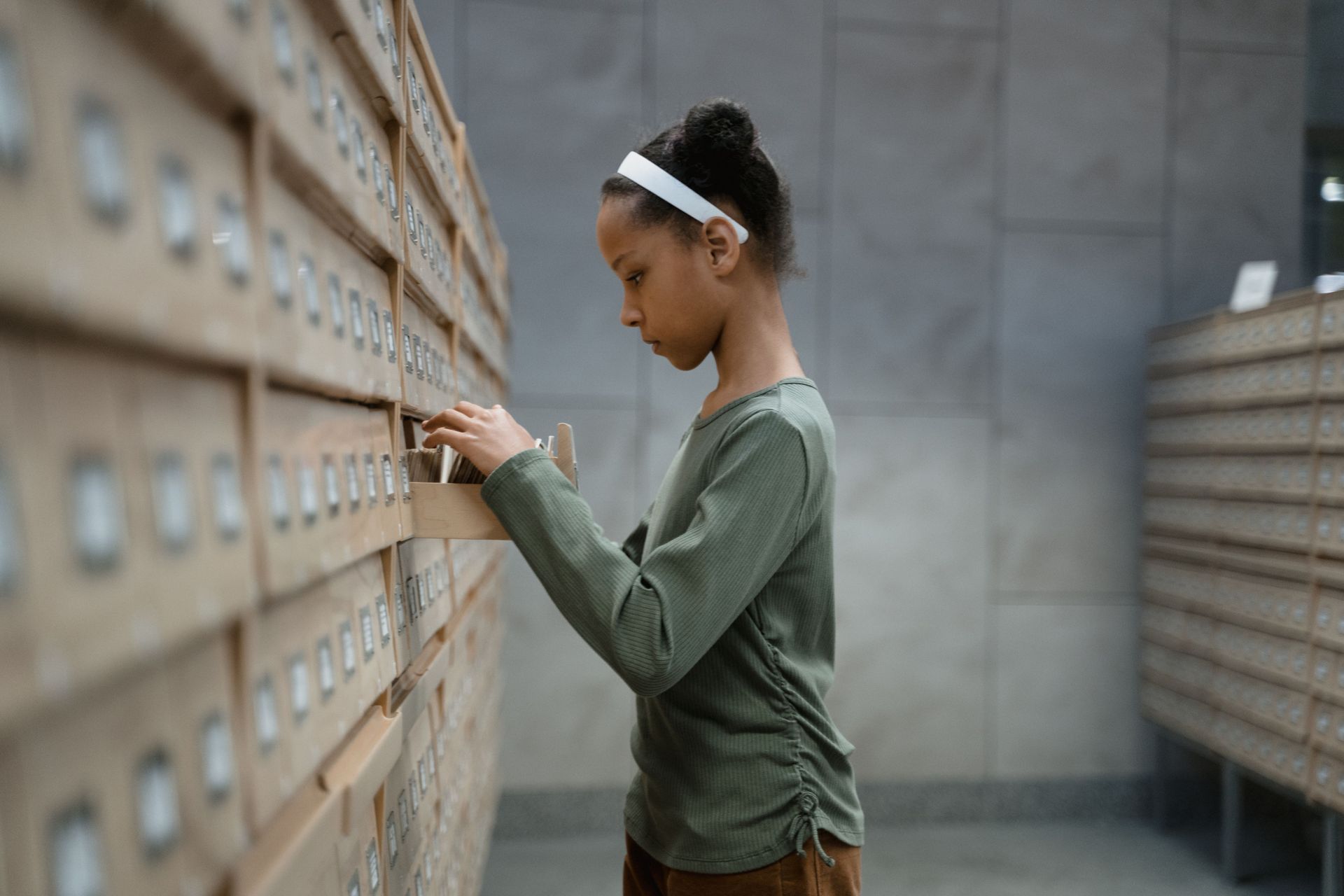
At the Elementary level, children shift from asking "What is that?" to urgently wanting to know the how and why of everything. Developmental changes give six- to twelve-year-olds a fierce drive to explore the world beyond their immediate family, classroom, and school. New, passionate interests compel them to explore anywhere and everywhere. They are actively constructing their ability to function in society, and to do this successfully, they must acquire an entirely new set of real-world skills.
One of the defining ways The Montessori Academy at St. John’s supports this developmental milestone is through a unique practice called "Going Out." Dr. Maria Montessori conceived this idea both literally and figuratively. She recognized that the classroom door should not be a barrier, but rather a gateway opening directly into the wider community.
What is a "Going Out"?
Imagine a small group of two, three, or four MASJ Elementary students deep-diving into a research project. They have exhausted the books in our classroom and the school library, but their curiosity is still burning.
- A group studying raptors might decide they need to interview a local falconer.
- Students researching zoology might arrange a trip to a specialized pet store to interview the staff about rodent care.
- A team fascinated by local history might organize a visit to a museum archive or a theater’s costume shop to study historical textiles firsthand.
The possibilities are as boundless as the children's imaginations.
The True Purpose of the Outing
These small-group experiences directly serve the elementary child's psychological needs for independence, collaboration, and authentic adventure. The universe cannot fit inside a single classroom, so the children must go out into the universe.
1. Authentic Collaboration
Preparing for an outing requires students to work together in a deeply meaningful way. In the classroom, they must share resources, make group decisions, delegate labor, take responsibility, and navigate conflicts. By practicing respectful problem-solving daily at MASJ, they are fully equipped to apply these social skills in public settings.
2. Executive Functioning & Self-Discipline
A "Going Out" requires an immense amount of organization. To ensure a successful trip, the children must coordinate their thinking, manage their time, and hold one another accountable. It demands a level of responsibility that simply cannot be replicated in a simulated classroom assignment.
How "Going Out" Differs from a Field Trip
In contrast to a traditional field trip—which involves the entire class simultaneously and is planned, scheduled, and managed entirely by adults—the Montessori "Going Out" involves a self-selected small group of just two to four children. Rather than acting as passive participants following a guide, the students operate as active project managers who conceive, organize, and execute the entire outing themselves to fulfill a specific research mission.
A Community Effort: The Role of the Adult
A successful program relies heavily on the support of our incredible MASJ community. Often, parents or staff volunteer to provide transportation. However, being a "Going Out" driver is beautifully distinct from being a traditional chaperone.
As a driver, you step back and rely entirely on the children to give you directions, tell you where to park, and lead the way inside. If the children forgot to check the holiday hours and arrive to find the museum doors locked, the adult driver exercises loving restraint. Rather than stepping in to solve the problem, the adult waits for instructions from the children on how they want to pivot. This requires adult self-restraint, but it is where the most profound learning occurs!
Bringing the Spirit of "Going Out" Home
You can easily nurture this sense of capability and ownership within your daily family routines:
- The Grocery Outing: Instead of doing the shopping yourself, invite your child to look through recipes, map out a weekly menu, and write down the list. Let them budget the trip, find the items on the shelves, and handle the transaction at the register.
- The Library Research: If a weekend hike sparks a sudden curiosity about wild mushrooms or local rock formations, encourage your child to look up the library's hours, call to see if the books are available, and lead the way to the research desk themselves.
Unlocking the World
Our Elementary students are capable of extraordinary things when given the trust and the tools to try. By acknowledging their vast potential, we give them the keys to unlock the world beyond our school walls.
"Going Out" doesn't just satisfy an academic curiosity—it builds the foundation for conscious citizenship, deep responsibility, and lifelong resourcefulness.
If you would like to see our Elementary community in action and learn more about how we foster this deep independence, we invite you to schedule a tour. Our doors are always open!