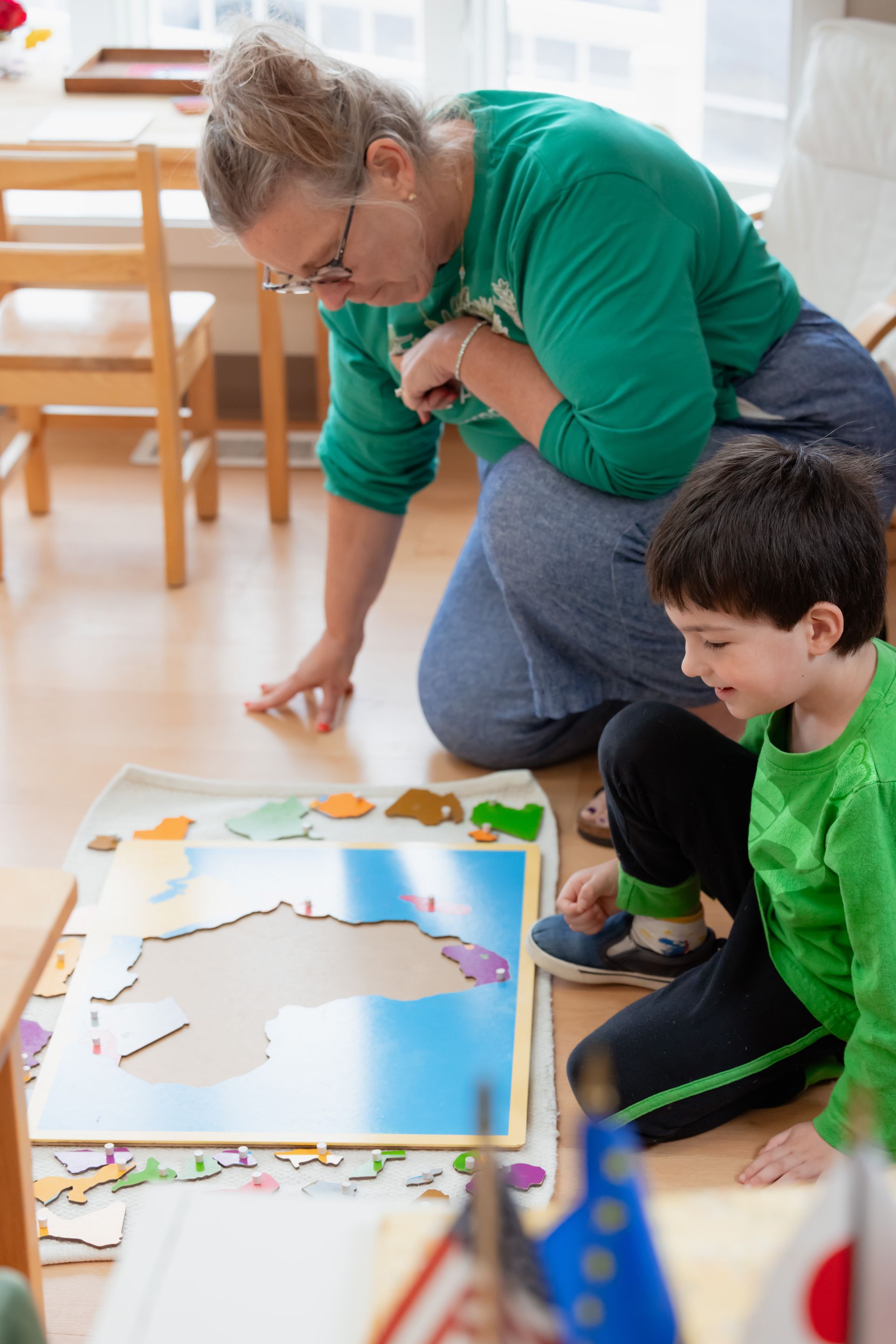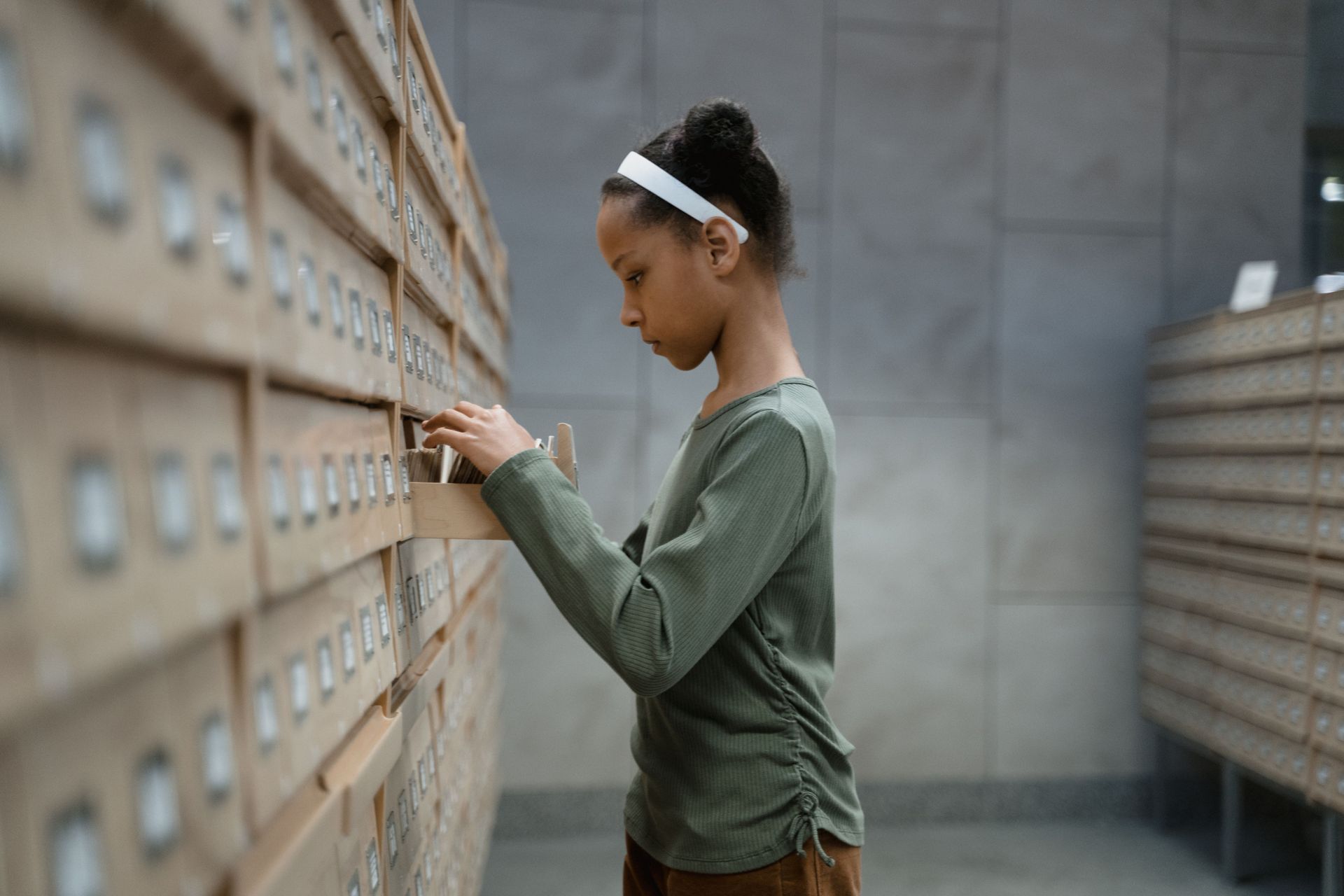
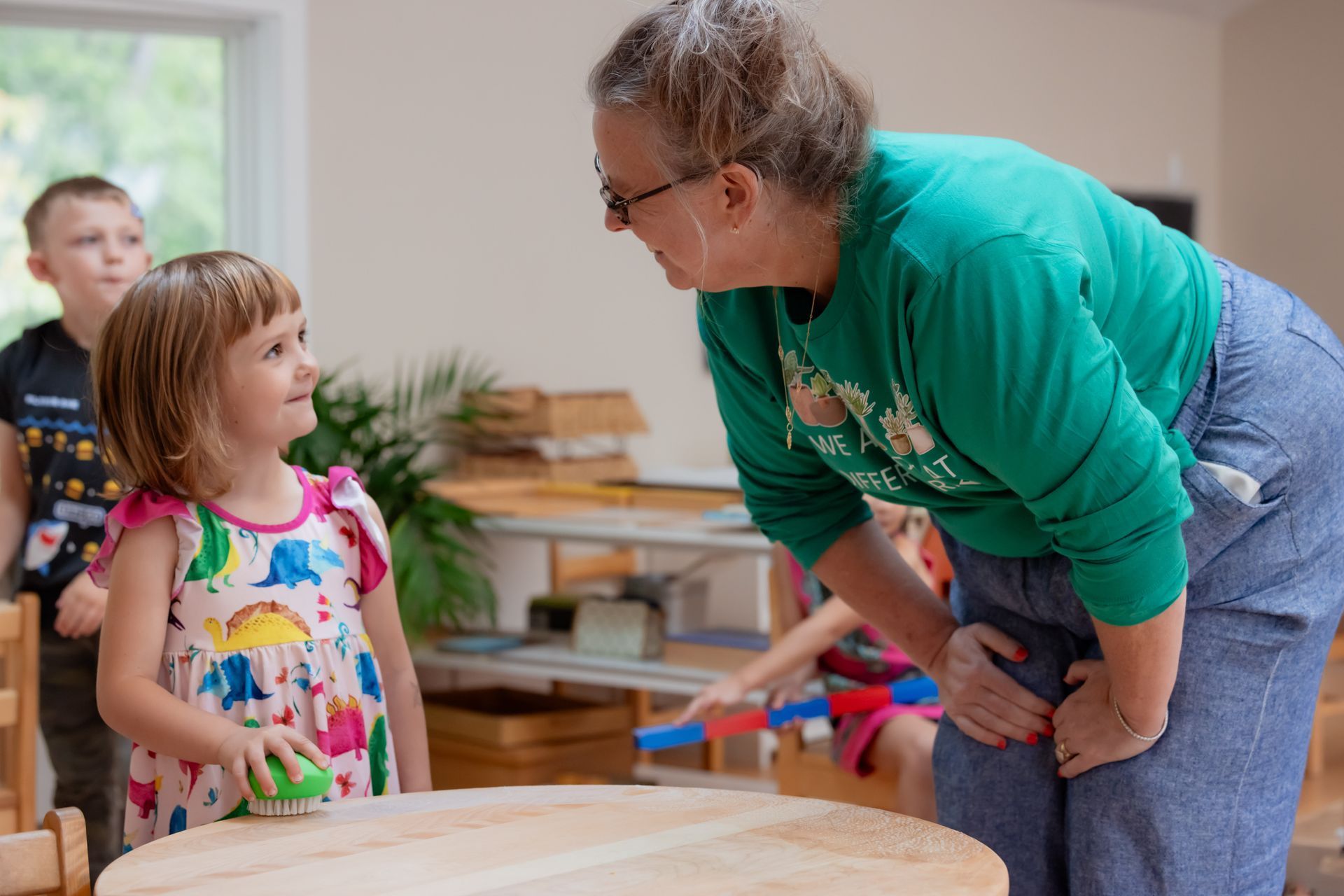
"Follow the child."
It is perhaps the most beautiful, profound, and frequently cited mantra in the entire Montessori lexicon. At The Montessori Academy at St. John’s, our entire educational approach is anchored by these three simple words. They are backed by scientific observation, proven by generations of children, and consistently revered by families around the world.
Yet, while the concept sounds beautifully simple, the fast-paced reality of modern everyday life can make it feel incredibly challenging to practice. How do we actually "follow the child" when we have schedules to keep, groceries to buy, and dinner to prepare?
Today, we want to break this philosophy down into five practical, manageable ways you can weave this foundational Montessori principle into your family's daily rhythm.
1. Stop, Look, and Listen (The Gift of Observation)
In a Montessori environment, observation is where everything begins. Before a guide presents a new lesson, they spend hours quietly watching the child to understand their emerging interests and readiness.
In our busy lives as parents, balancing family, work, and endless to-do lists often means we are rushing from one moment to the next. While it isn't realistic to do this every hour of the day, we encourage you to find small pockets of time to step back, quiet your own inner monologue, and just watch your child.
Try this: Step back far enough that they forget you are there. Watch how they navigate a challenge, observe what objects they naturally gravitate toward, and really listen to the nuances of what they are saying.
You don’t need to draw immediate, concrete conclusions or fix anything in these moments. Simply witnessing who your child is right now will provide unexpected insights that will naturally ground your parenting decisions.
2. Intentionally Protect and Make Time
Perhaps one of the greatest challenges of modern parenting is the feeling that time is constantly slipping away. The truth is, a child's natural rhythm is vastly different from our own; children fundamentally need more time than adults do. It takes them longer to button a coat, move past a minor injury, process a big feeling, or transition from the car to the front door.
Whenever possible, try to build a buffer into your daily routine. Expect the unexpected, because in early childhood, it always happens.
Building in an extra 15 minutes doesn't just reduce morning stress—it allows you to be exactly what your child needs you to be in that moment. Do children eventually need to learn flexibility and how to keep a schedule? Absolutely. But they learn this best when they feel secure, and being able to stop and address their needs as they happen is a vital part of that security.
3. Enthusiastically Embrace Individuality
As parents, we pour our hearts into our children's lives. We care deeply about their nutrition, education, emotional well-being, and social skills, quietly hoping all our hard work will guide them toward a successful future.
Our dedication will absolutely pay off—it just might not look exactly the way we initially imagined.
At some point, every child will express a desire to choose a path, a hobby, or a style that we didn't envision for them. As long as their choices are safe and respectful, our role is to honor their unique spirit.
- Perhaps you always dreamed of a child who loved team sports, but they are deeply drawn to quiet, solitary art.
- Perhaps your family is full of extroverts, but your child needs a quiet bedroom and ample solo time to recharge.
Honoring these personal preferences celebrates the unique person they are meant to become. Children need to know, above all else, that their parents are unconditionally on their team.
4. Examine Your Own Biases (The Prepared Adult)
In Montessori, we speak often about the "Prepared Environment," but Dr. Montessori emphasized that the Prepared Adult is just as critical. Our expectations as parents are shaped by a lifetime of our own childhood experiences, cultural programming, and societal pressures. These perceptions color how we view our children’s behavior.
Rules, clear boundaries, and healthy expectations are essential for a peaceful home. However, it is highly rewarding to occasionally pause and ask ourselves, "But why?" When evaluating a boundary or a reaction at home, try reflecting on these questions:
- What core values am I trying to teach here?
- Does my current reaction or rule actually reflect those values?
- Am I enforcing this simply because it’s how my parents did it, or because I truly believe it serves my child right now?
- Is this boundary accommodating my child's developmental needs, or is it just accommodating my adult convenience?
5. Commit to Continuous Learning
The beautiful, never-ending task of being human is that we are never truly "finished." Embracing a growth mindset as a parent is the ultimate way to follow your child.
Seeking out new resources, attending parent education events, or simply admitting to your child when you don't know the answer shows them how deeply you value curiosity and self-improvement. It lets them know that no one has it all figured out, and that’s okay. The magic lies in the willingness to keep learning, to listen, and to grow together.
Walking the Path Together
Following the child is not about letting children do whatever they want without guidance; it is about respecting the unique developmental timeline of the human being in front of you.
At
The Montessori Academy at St. John's, we walk this path alongside our students every day, and we are honored to walk it alongside you. When we slow down and truly follow the child, we open the door to a deeply connected, respectful, and joyful family life.